
Is a person who has been raised in an environment of digital technology- such as the use of computers, the Internet, mobile phones, and MP3s.


Self-initiated and self-directed learning experiences are based on the needs, preferences, and abilities of individual students. The traditional way to look at learning is via the creation and assignment of work by teachers in a one-size-fits-all approach for every classroom. Customized learning, however, allows students to direct focus on feedback

Lecture capture is typically used in colleges and universities. It gives professors a way of not only recording lectures (the original intent was as a backup to class lectures), but it lets the lecturer interact and supplement the information they teach in class. For example, a professor makes the lecture

Is a multi-state effort to develop educational standards for science that are rich in content and application, which can be deployed in a logical manner across grade levels and disciplines. These standards are intended to teach the overlapping nature of science subjects, rather than to present lessons in topic isolation.
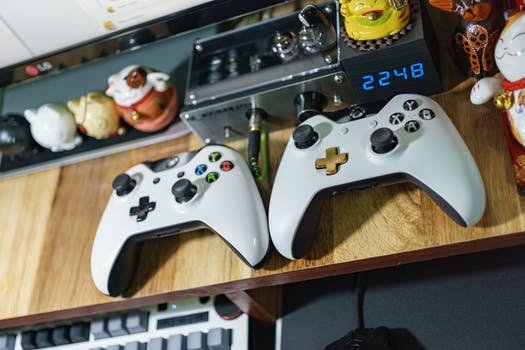
In its simplest definition, a natural user interface (NUI) uses the body’s movements to achieve certain outcomes. In the consumer market, examples of NUIs include the Nintendo® WiiTM, Xbox KinectTM, and the iPhone virtual assistant, Siri. The potential in the field of K–12 education is still being realized but will

Is a collaborative website, which can be directly edited by anyone with access to it.

This technology is slightly different from text-to-speech. It simply informs students of what is on a screen. A student who is blind or visually impaired can benefit from the audio interface screen readers provide. Students who otherwise struggle to glean information from a computer screen can learn more easily through
Depending on developmental patterns, children may need to learn differently than their peers. Instead of ABCs and numbers first, a child with language delays may benefit from bright pictures or colors to learn new concepts. Sensory enhancers may include voice analyzers, augmentative communication tools, or speech synthesizers. With the rapid

Is a compilation of works collected throughout your teaching career that highlights your work and accomplishments.

Are classes that focus on training you to be a teacher.