
Academic progress that is accomplished over a period, as assessed at the onset and end of a specified time. It can be calculated for countries, states, cities, schools or students, and many variables and strategies can be used to determine if “growth” has occurred.


Describes a defined area of knowledge or skill in a curricular program. For example, reading, language arts, math, science, and social studies are all content or subject areas.

Is a type of parent-teacher conference in which the student gives their parents updates on what they have been learning, what their goals are, and provides insights into what type of learner they are.

Is a strategy used to approach teaching and learning in which students use their knowledge and skills to address actual community needs.

Is a concept that is used for reorganizing schools, especially high schools, and the dynamics within them. Also called small schools, their optimal size varies, they are usually defined as schools with enrollments between 500-900 students.

Is an education policy that permits education funds to follow the pupil to the K-12 school or service provider that best fits their needs. Possible placements include public schools, private schools, charter schools, homeschools. Any learning environments that parents feel meet the educational needs of their children.
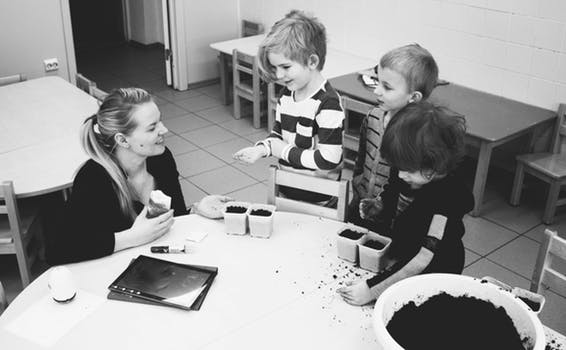
A form of education that is provided to students who need more instructional support to master the competencies in subjects such as math and reading.
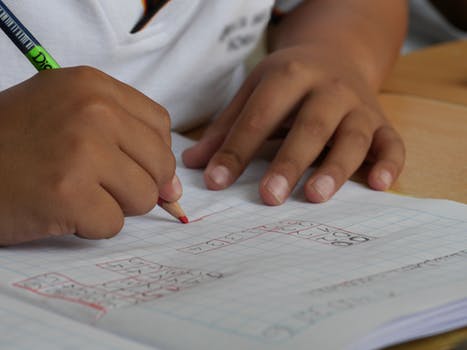
Are used by institutions of higher education to check the academic skills or college readiness of incoming students. It is also used to determine which courses students should be required to take initially. For students who are ready to tackle college-level courses, they start out with all or mostly freshman

An educator who is delegated to perform certain educational tasks within and outside of the classroom but is not yet licensed as a teacher.

Is a form of personalized learning where a person pursues something of interest to them, with the aid of a caring support system. In the process of pursuing connected learning, new opportunities and possibilities open up for them.