
A reading comprehension strategy that provides a guide to start researching, structuring a writing project, and summarizing information.


A reading comprehension tool used after reading to give a format for students to work in pairs to express their understanding of the text, summarize the narrative, or explain the informational text.

A reading comprehension strategy similar to a Bio-Pyramid to help summarize or retell texts such as short stories or novels.

A reading comprehension strategy used after reading an informational text that is designed to help readers explore two separate viewpoints. These can include Narrative and Alternative Narratives, Photographs and Alternative Photographs, and Videos and Alternative Videos.

A reading comprehension strategy that involves making judgments both during and after reading an expository or narrative text. The issues mostly focus on whether the author’s message is consistent and whose perspective is presented in the text.
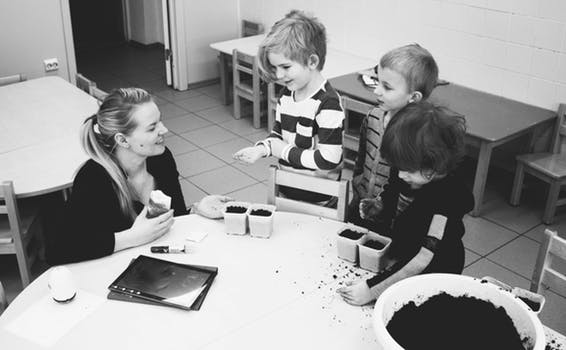
A reading comprehension strategy that provides students with a specific format and structure to discuss an expository text. To make a discussion web, students must think critically about both sides of a topic from multiple points of view.

A reading comprehension strategy where readers will create mental images of the text as they read.

A reading comprehension strategy where readers will generate a series of questions to guide their thinking while reading.

A teaching idea where students will work in pairs to read a text and share their thoughts with peers. At designated points throughout the text, students will be instructed to stop reading, turn to their partners, and “Say Something.” They are often prompted by statements like “I did not know
A reading comprehension strategy where the reader constantly asks whether the text makes sense to them and then implementing strategic processes to make the text clearer.